“`html
Dussehra: Significance, History, Traditions & Why It Is Celebrated
Discover the meaning of Vijayadashami and the traditions that bring communities across India together
Dussehra, also known as Vijayadashami or Dasara, is an important Hindu festival associated with the victory of good over evil. Celebrated at the end of Navratri, it holds different meanings across India. For some, it commemorates Lord Rama’s victory over Ravana, while in other traditions, it marks Goddess Durga’s triumph over Mahishasura. Beyond these stories, Dussehra reminds people of the importance of courage, righteousness, devotion, and making positive choices in life.
Dussehra: Quick Facts
| Also known as | Vijayadashami, Dasara |
| Hindu calendar | Ashwin Shukla Paksha Dashami |
| Main significance | Victory of good over evil |
| Religious associations | Lord Rama and Goddess Durga |
| Common observances | Puja, Ramlila, Ravana Dahan and regional festivities |
What Is the History and Significance of Dussehra?
The name Vijayadashami combines the ideas of victory and the tenth day. The festival is observed on the tenth day of the bright fortnight of the Hindu month of Ashwin. Its significance is understood through different religious traditions, particularly the stories of Lord Rama and Goddess Durga.
1. Lord Rama’s Victory over Ravana
According to the Ramayana, Lord Rama fought Ravana to rescue Goddess Sita, who had been taken to Lanka. With the support of Lakshmana, Hanuman, and his allies, Rama defeated Ravana. Dussehra commemorates this victory and the restoration of righteousness. The story also highlights the importance of duty, loyalty, courage, and standing against wrongdoing.
2. Goddess Durga’s Victory over Mahishasura
In Hindu traditions centred on the Divine Mother, Vijayadashami celebrates Goddess Durga’s victory over Mahishasura, a powerful demon whose actions threatened the balance of the world. Her victory represents the power of divine strength and the restoration of order. This connection is especially important during Durga Puja celebrations in eastern India.
3. The Deeper Message of Vijayadashami
Dussehra is not only a celebration of events described in sacred stories. It also encourages people to reflect on qualities such as truthfulness, patience, compassion, self-discipline, and responsibility. The festival offers an opportunity to let go of harmful habits, resolve conflicts, and begin new activities with a positive outlook.
How Is Dussehra Celebrated Across India?
Although the central message of Dussehra is widely shared, the way people celebrate it depends on regional history, local deities, and family customs. These differences make the festival an important part of India’s religious and cultural heritage.
Ramlila and Ravana Dahan
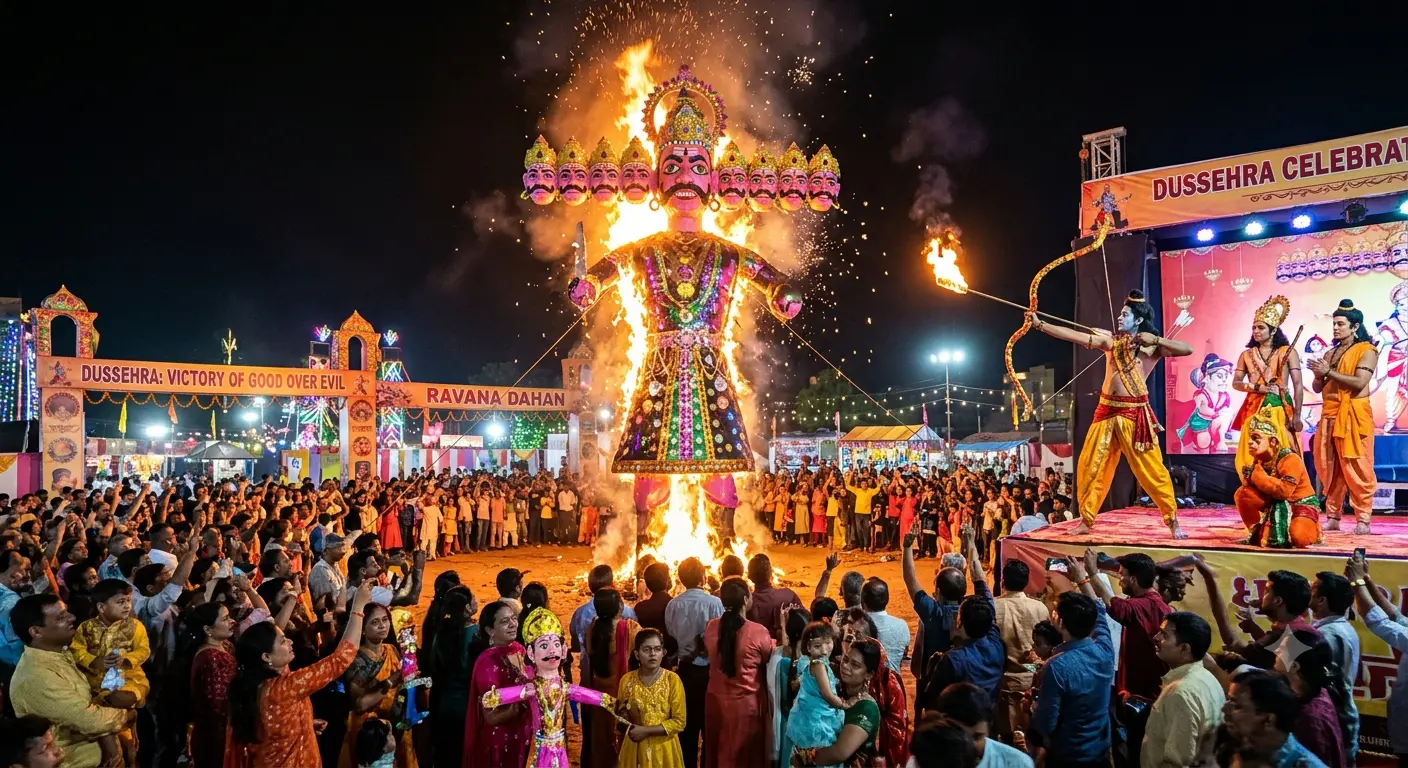
In many parts of northern and central India, communities organise Ramlila performances depicting episodes from the Ramayana. These performances often conclude with Ravana Dahan, the burning of Ravana’s effigy, sometimes accompanied by effigies of Meghnad and Kumbhakarna. Families gather to watch the performances and participate in local festivities.
Durga Puja and Vijayadashami
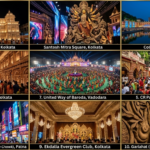
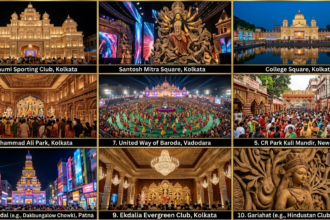
In West Bengal and other eastern regions, Dussehra is closely associated with the conclusion of Durga Puja. Devotees visit decorated pandals, offer prayers to Goddess Durga, and participate in traditional farewell ceremonies. The celebrations combine devotion, artistic displays, music, and community gatherings.
Mysuru Dasara
Mysuru in Karnataka is famous for its royal Dasara traditions, palace illuminations, cultural programmes, and ceremonial processions associated with Goddess Chamundeshwari. The festival reflects the region’s history and offers visitors an opportunity to experience local art and heritage.
Kullu Dussehra
Kullu in Himachal Pradesh observes a distinctive festival centred on Lord Raghunath Ji and the gathering of local deities. Its traditional processions and community celebrations differ from the Ravana Dahan customs followed in many other regions.
Ayudha Puja and Regional Customs
In parts of southern India and other regions, people observe Ayudha Puja by honouring tools, books, vehicles, instruments, and equipment used in their daily work. Other communities follow customs involving the Shami tree, prayers for prosperity, or the beginning of new activities. Practices vary by region and family tradition.
Common Dussehra Puja Practices
There is no single puja procedure followed by every Hindu family. Depending on regional and family traditions, common observances may include:
- Prayer and worship: Offering prayers to Lord Rama, Goddess Durga, or other family deities.
- Flowers and traditional offerings: Preparing offerings according to family customs and the requirements of the puja.
- Ayudha Puja: Honouring tools, books, vehicles, or work equipment in communities where this tradition is followed.
- Visiting temples: Seeking blessings and participating in local religious observances.
- Family gatherings: Sharing festive meals, exchanging greetings, and spending time with relatives.
For specific rituals or muhurat timings, follow your family’s tradition or consult a knowledgeable local priest. Dates and auspicious timings vary by year and location.
Planning a Temple Visit During Dussehra
Dussehra can be a meaningful occasion to visit a temple, learn about a region’s traditions, or plan a short pilgrimage with family. A little preparation can make the journey more comfortable.
Check Temple Timings in Advance
Temple opening hours, special pujas, and crowd-management arrangements may change during festivals. Confirm the latest details with the temple or its official administration before travelling.
Plan Transport and Accommodation
Popular destinations can become busy during festival periods. Book transport early where possible, compare accommodation by location and facilities, and allow extra time for local travel.
Explore Local Religious Heritage
A pilgrimage can include nearby temples and heritage sites if time permits. Learn about local customs before visiting and follow the rules of each religious site.
Essential Tips for Dussehra
- Respect local traditions: Celebrations and rituals can differ considerably between regions.
- Arrive early: Popular temples and festival grounds may have queues or restricted access.
- Dress appropriately: Follow the clothing and photography rules of the temple or event you visit.
- Travel comfortably: Carry essential medicines, a charged phone, and drinking water where permitted.
- Verify announcements: Check official sources for schedules, traffic diversions, and public event arrangements.
Frequently Asked Questions About Dussehra
- Why is Dussehra celebrated? Dussehra celebrates the victory of good over evil and is associated with Lord Rama’s victory over Ravana and Goddess Durga’s victory over Mahishasura.
- What is the difference between Dussehra and Vijayadashami? The names are commonly used for the same festival. Regional traditions determine which stories and rituals receive the most emphasis.
- Why is Ravana Dahan performed? In many communities, burning Ravana’s effigy symbolises the defeat of wrongdoing and the victory of righteousness in the Ramayana tradition.
- How is Dussehra connected to Navratri? Dussehra falls on the tenth day following the nine-day Navratri period and marks an important conclusion to the festival in many traditions.
- Which places are famous for Dussehra celebrations? Mysuru, Kullu, Delhi, and Kolkata are known for distinctive celebrations. Many other cities and towns also organise local festivities.
- Can I visit temples during Dussehra? Yes. Many devotees visit temples during the festival, but opening hours, special rituals, and crowd arrangements vary by location.
- Does Dussehra have the same rituals throughout India? No. Rituals vary by region, community, and family tradition, although the theme of victory and renewal is widely shared.
Discover India’s Sacred Places with TirthTrails
Explore temple guides, understand local traditions, and plan more informed pilgrimage journeys across India.
Religious practices described in this guide are general and may vary by region and family tradition. Check local temple announcements for current festival schedules and timings.