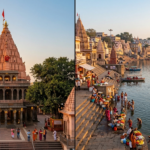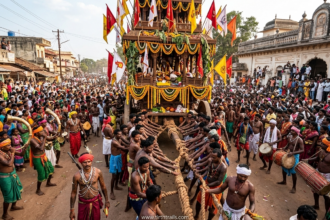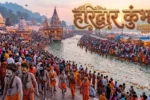

A pilgrimage to Mathura and Vrindavan is closely connected with temples, devotion and the living traditions of Braj.
Food is another part of that experience.
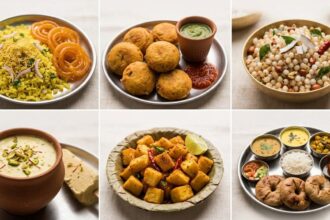
From the famous Mathura peda to kachori, lassi, traditional vegetarian meals and temple prasad, the local food culture reflects the region’s everyday life as well as its religious traditions.
Whether you are visiting for Krishna Janmashtami, exploring the temples of Vrindavan or simply spending a few days in Braj, trying local food can add another dimension to your journey.
What Makes Mathura & Vrindavan Food Special?
Mathura and Vrindavan are major pilgrimage destinations associated with Lord Krishna.
The region’s food culture is therefore strongly connected with vegetarian traditions, sweets, dairy products and temple offerings.
You will find plenty of simple foods that are suitable for travellers between temple visits, while local sweet shops and food stalls provide opportunities to experience familiar North Indian flavours with a distinctly Braj setting.
1. Mathura Peda
If there is one sweet most visitors associate with Mathura, it is the Mathura peda.
Peda is a traditional milk-based sweet made with ingredients such as khoya and sugar. Mathura is particularly famous for its peda, and it is commonly bought by visitors as a food souvenir.
Different shops may use slightly different recipes and preparation methods.
If you want to take peda home, choose a reputable shop and consider freshness, packaging and storage time.
2. Kachori
Kachori is a popular North Indian snack and an easy food to find in Mathura and Vrindavan.
It is commonly served with chutney, potato-based preparations or other accompaniments.
A fresh kachori can make a convenient breakfast or snack between temple visits.
Because food habits and recipes differ between shops, exploring a couple of local establishments can be part of the experience.
3. Jalebi
Jalebi is another popular sweet found across the region.
Freshly prepared jalebi is crisp on the outside and soaked in sugar syrup.
It is often enjoyed as a breakfast accompaniment or sweet snack.
For many travellers, pairing jalebi with a savoury local breakfast is an easy way to start a day of temple exploration.
4. Lassi
Lassi is a traditional yoghurt-based drink popular across North India.
In Mathura and Vrindavan, it is commonly associated with the region’s dairy-rich food traditions.
It can be especially refreshing after walking between temples.
During hot weather, choose a clean and well-maintained establishment and consume dairy products fresh.
5. Chaat
Visitors can find various types of North Indian chaat in Mathura and Vrindavan.
Chaat can include combinations of potatoes, chickpeas, spices, chutneys and other ingredients.
It is best enjoyed as a fresh snack rather than something to rush through between temple visits.
If you are not accustomed to spicy food, ask about the spice level before ordering.
6. Aloo-Puri
Aloo-puri is a popular North Indian meal consisting of fried puris served with a spiced potato preparation.
It is filling and commonly enjoyed as breakfast or a main meal.
For pilgrims, it can be a convenient option when you want something more substantial before spending several hours exploring temples.
7. Pakoras
Pakoras are another familiar Indian snack that can be found in local food areas.
Different varieties are made using vegetables coated in a gram-flour batter and fried.
They are particularly enjoyable during cooler weather with tea.
8. Temple Prasad
Food and sweets offered as prasad are an important part of pilgrimage culture in Mathura and Vrindavan.
The exact offerings and practices depend on the temple.
Visitors should remember that prasad has religious significance and should not be treated simply as another local snack.
When visiting temples, follow their current rules regarding offerings, food and distribution.
Food Traditions of Braj
Braj culture extends beyond Mathura and Vrindavan into a wider region associated with Krishna traditions.
Food is an important part of the area’s cultural identity.
Milk, yoghurt, sweets and other dairy-based foods have a strong presence in the local culinary tradition.
Many visitors encounter this culture through simple everyday foods rather than elaborate restaurant meals.
That is part of what makes exploring local food interesting.
Food Around Vrindavan’s Temples
The areas around major temples in Vrindavan have numerous food shops, snack stalls, sweet shops and vegetarian restaurants.
Because these areas can become crowded, particularly during festivals, avoid planning a very tight food schedule between temple visits.
Instead, leave some flexibility.
You may find that a short walk through the local streets leads you to a small shop or sweet stall that becomes one of the memorable parts of your trip.
What to Eat During a Temple Pilgrimage?
If you are spending the entire day visiting temples, simple food can be more practical.
A possible food plan could be:
Morning
Poha, kachori, aloo-puri or another light local breakfast.
Afternoon
A vegetarian lunch followed by some rest.
Evening
Lassi, chaat or another local snack while exploring the city.
Before Leaving
Mathura peda or another locally made sweet as a souvenir.
This is only a general guide. Your food choices should depend on your dietary requirements and the season.
Food During Janmashtami
Janmashtami is one of the most important periods to visit Mathura and Vrindavan.
Many devotees observe fasting according to their own religious traditions, while local food establishments continue to serve visitors.
During the festival, expect popular food areas and sweet shops to be considerably busier.
If you are travelling during Janmashtami, plan meals around your temple itinerary rather than assuming you can quickly find food whenever you want.
You can also read our Janmashtami in Mathura & Vrindavan guide for pilgrimage-planning information.
Buying Sweets to Take Home
Food souvenirs are common when returning from Mathura and Vrindavan.
Mathura peda is one of the most recognisable choices, but you may also find other sweets and packaged savoury foods.
When buying food to travel with:
-
Check the manufacturing or preparation date where available
-
Ask about shelf life
-
Consider the weather
-
Choose suitable packaging
-
Avoid carrying perishable items for unnecessarily long periods
Street Food Tips for Pilgrims
Trying local food is enjoyable, but basic precautions are important.
Choose places where:
-
Food is prepared fresh
-
Ingredients are handled hygienically
-
Hot food is served hot
-
The preparation area appears clean
-
There is regular customer turnover
Be cautious with uncovered food that has been sitting out for extended periods.
Respect the Food Culture of Braj
Food can have religious significance in Mathura and Vrindavan.
When visiting temples and religious areas:
-
Respect temple food rules
-
Do not waste prasad
-
Avoid eating where it is prohibited
-
Keep streets and temple surroundings clean
-
Respect local customs
-
Dispose of packaging responsibly
These simple habits help preserve the character of the pilgrimage destination.
Where to Stay in Mathura & Vrindavan
Your accommodation can influence how easily you explore the local food scene.
If your itinerary focuses on Mathura’s temples, staying in Mathura can be convenient.
If you plan to spend most of your time visiting Vrindavan’s temples, staying in Vrindavan may reduce daily travel.
During major festivals such as Janmashtami, book your accommodation early.
Explore pilgrimage stays in Mathura and Vrindavan when planning your trip.
A Simple Mathura–Vrindavan Food Experience
You don’t need a dedicated food tour to experience the local cuisine.
Try this simple approach:
Morning: Local breakfast in Mathura
Daytime: Temple visits and a traditional vegetarian meal
Evening: Explore Vrindavan and try lassi or a local snack
Before returning: Buy fresh Mathura peda from a reputable sweet shop
The goal is not to eat everything. It is to experience a few foods that are genuinely connected with the destination.
Frequently Asked Questions
- What food is Mathura famous for?Mathura is particularly famous for its peda, along with popular North Indian foods such as kachori, jalebi, aloo-puri and various snacks.
- What should I eat in Vrindavan?Visitors can try vegetarian foods, kachori, lassi, chaat, sweets and other local snacks available around the city’s pilgrimage areas.
- What is the famous sweet of Mathura?Mathura peda is the city’s best-known sweet and is commonly purchased by visitors as a food souvenir.
- Is vegetarian food easily available in Vrindavan?Yes, vegetarian food is widely available throughout Vrindavan, particularly around major temple and pilgrimage areas.
- Can I buy Mathura peda to take home?Yes, Mathura peda is commonly purchased as a souvenir. Choose a reputable shop and check freshness and shelf-life information before travelling.
- What should I eat during Janmashtami in Mathura?Food choices during Janmashtami depend on whether you are fasting and your personal religious practices. Local shops also offer vegetarian meals, snacks and sweets for travellers.
- Is street food available near Vrindavan temples?Yes, food stalls, snack shops and sweet shops are common around major pilgrimage areas, although availability and operating hours can change during festivals.
Final Thoughts
Food is an important part of experiencing Mathura and Vrindavan beyond the temples.
A fresh peda from Mathura, a simple kachori breakfast, a glass of lassi or a local sweet can become a small but memorable part of your pilgrimage.
The best approach is to keep your food experience simple. Try a few local specialities, explore the markets, respect temple traditions and give yourself enough time to enjoy the destination rather than rushing from one place to another.
Mathura and Vrindavan are places where food, devotion and local culture naturally come together—and experiencing all three can make your Braj pilgrimage more memorable.